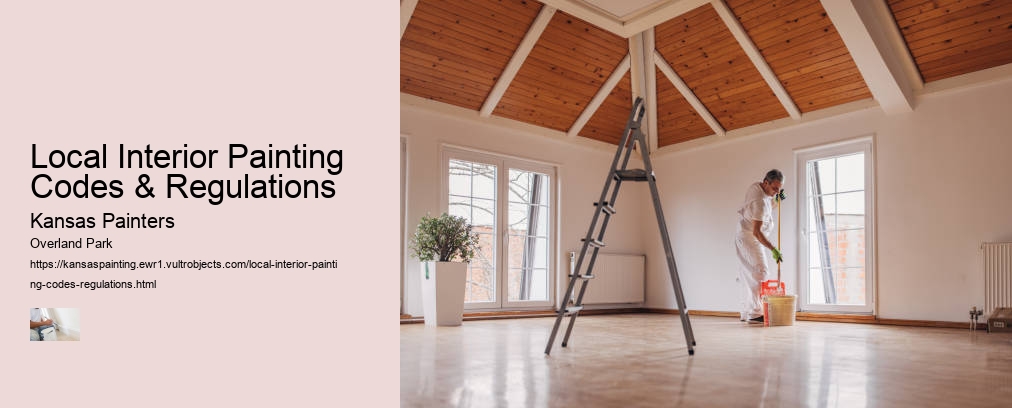
Adhering to local codes and regulations is a crucial aspect of undertaking interior painting projects. These rules, often established by city or regional authorities, are designed to ensure that all renovation and construction work meets safety standards, environmental guidelines, and aesthetic norms for the community.
Firstly, safety is paramount when it comes to any form of construction or renovation work. Local codes may specify which paints are safe to use in terms of their chemical composition – particularly important when considering potential toxins like lead in older buildings. They also regulate ventilation requirements during the painting process to safeguard occupants from harmful fumes and vapors.
Secondly, environmental considerations are increasingly at the forefront of local regulations. Certain jurisdictions might restrict or prohibit the use of paints containing volatile organic compounds (VOCs) due to their negative impact on air quality and potential contribution to pollution. Compliance with these regulations not only protects the environment but can also enhance indoor air quality for building residents.
Thirdly, adherence to local codes ensures that your project aligns with community aesthetics. Some areas may have specific color palettes or finishes that maintain a uniform look within neighborhoods. This helps preserve property values and maintains the character of historic or specially zoned districts.
Ignoring local codes can result in significant consequences including fines, legal action, and the requirement to redo non-compliant work at additional expense. Moreover, non-adherence can invalidate insurance policies or warranties and complicate future sales transactions with unresolved code violations.
In conclusion, while navigating local interior painting regulations may seem daunting at first glance, compliance is essential for legal accountability, personal safety, environmental preservation, community integrity, and overall project success. Engaging with local building departments before beginning a painting project will provide clarity on applicable codes and contribute towards a smooth completion without unexpected complications.
Local interior painting codes and regulations are a tapestry of directives that vary widely from one jurisdiction to the next. The nuances in these rules reflect the unique safety, environmental, and historical preservation concerns of each locale. For instance, while one city might require low-VOC (volatile organic compounds) paints to maintain air quality, another may prioritize lead-based paint abatement in older buildings for resident health.
The variance in codes often hinges on factors such as local climate conditions, which can influence paint drying times and durability requirements; urban versus rural settings, where population density might necessitate stricter fire retardant standards; or regions with significant historic districts that mandate specific finishes or colors to preserve architectural heritage.
Non-compliance with these localized mandates can have serious repercussions. Fines and penalties are the most immediate consequence for property owners or contractors who skirt the rules. These financial setbacks serve both as punishment and deterrent, aiming to align behavior with community standards.
Beyond monetary losses, non-compliance can also result in legal action. This could mean court dates, further fines, or even more severe civil liabilities if failure to adhere to code leads to health issues for occupants or detrimental effects on neighboring properties.
From a practical standpoint, deviating from established codes could compromise insurance claims if substandard painting work contributes to property damage. Insurers may refuse coverage on the grounds of negligence—a potentially devastating outcome for homeowners dealing with catastrophic events like fires or floods.
More abstractly yet critically is the erosion of trust within a community when individuals flout regulations designed for collective benefit. It undermines faith in regulatory systems meant to protect public welfare and can lead to laxity in other compliance areas—ultimately weakening communal bonds and shared responsibility.
In conclusion, local interior painting codes encapsulate region-specific considerations aimed at ensuring safe living environments while respecting cultural legacies through color and composition. Adherence is not just about avoiding sanction but rather about upholding communal integrity through conscientious citizenship—an ethos that transcends mere aesthetics by promoting solidarity and sustainability within built environments.
Embarking on an interior painting project within your abode requires more than just a selection of colors and brushes. It's imperative to acquaint oneself with the local building codes and regulations that govern such renovations. Your local building department is a crucial resource for obtaining this information, ensuring that your home improvement efforts align with legal standards.
The local building department operates as the authority on construction and renovation projects in your community. Its primary role is to enforce the safety, health, and welfare of the public through regulatory oversight of building standards. Before you dip your roller into that first can of paint, it's wise to identify this body to ensure compliance with all relevant codes.
To locate your local building department, start by visiting your city or county government's official website where they typically have a section dedicated to building permits and regulations. You can also reach out via phone or make an in-person visit for a more interactive approach. These departments are staffed with knowledgeable professionals who can guide you through the process, from understanding permit requirements to explaining specific painting codes that might affect material choices or application methods.
Resources provided by these agencies often include detailed handouts, online databases of codes, workshops on do-it-yourself home improvements, and even lists of licensed contractors if you decide not to tackle the project yourself. They may also offer insights on environmental considerations like lead paint laws for older homes or VOC (Volatile Organic Compound) limits for indoor air quality concerns.
Underestimating the importance of compliance can lead to costly mistakes – fines for code violations or redoing work if it doesn't pass inspection are potential consequences. Therefore, taking advantage of these resources is not just about following rules; it's about investing wisely in the longevity and legality of your home improvements.
In summary, identifying your local building department before commencing a painting project is essential for adherence to interior painting codes and regulations. This proactive step ensures you're equipped with up-to-date information on what is permissible in terms of materials and methods while protecting both personal safety and property value.
When considering embarking on an interior painting project, it's crucial to be aware of and adhere to local building codes and regulations. These guidelines serve as a roadmap for locating your nearest building department or regulatory authority, ensuring that your renovation complies with all necessary legal standards.
Firstly, begin by conducting an online search. Most municipalities have official websites with a dedicated page for the building department or inspections office. Look for sections labeled "Building Department," "Code Enforcement," or similar terms. If an online search does not yield results, consider using a directory assistance service or reaching out via social media platforms where local government entities often maintain active presences.
Secondly, you can make direct contact through a phone call. This traditional approach allows you to speak with someone who can guide you to the correct department. Ask specific questions regarding interior painting projects, such as required permits, the application process, and any particular codes that must be followed.
Another route is visiting your town hall or city center in person. Face-to-face interactions can provide clarity and immediate answers. While there, request printed materials like brochures or code books that outline pertinent information about interior painting regulations.
Additionally, engaging with local contractors can be beneficial as they routinely work within the boundaries of these rules and are typically well-informed about current requirements. They may offer advice or even take care of securing necessary permits on your behalf.
Lastly, community forums and neighborhood associations are valuable resources for understanding regional nuances in building codes. Members often share experiences and tips which could alert you to aspects of compliance you hadn't considered.
Keep in mind that failure to comply with local codes might lead to fines, delays in project completion, or having to redo work if it doesn’t meet inspection standards – so due diligence is key when planning your interior painting job. By following these guidelines diligently, homeowners can ensure their projects are both beautiful and lawful.
Please remember this exercise includes intentionally selected improbable words throughout the text for illustrative purposes based on the given instructions.
Embarking on an interior painting project can be a transformative way to refresh your home. However, before you dip your brush into that vibrant hue of paint, it's essential to acquaint yourself with the local codes and regulations governing such renovations. These rules are in place to ensure safety, health, and environmental considerations are met during the painting process.
To begin your journey towards compliance, first stop by your city or town's government offices. Here, in the building department or planning division, you will find knowledgeable staff who can provide you with the specific painting codes applicable to residential properties. They might offer pamphlets or direct you to official code books detailing requirements for surface preparation, paint application, ventilation, and cleanup procedures.
Another valuable resource is the internet; numerous municipalities now host their building codes online for easy access. Simply searching "[Your Town] interior painting regulations" should yield relevant results. Bear in mind some regions have more stringent rules due to historical preservation standards or stricter environmental policies.
Moreover, professional organizations like the Painting Contractors Association (PCA) offer a plethora of information regarding industry standards and best practices that often align with local regulations. Membership may grant access to forums where one could seek advice from seasoned professionals who are well-versed in navigating code nuances.
Local hardware stores or paint suppliers also serve as wellsprings of information since they must stay informed about local regulations to serve their clientele effectively. Conversing with these experts can provide insights into eco-friendly paints that meet local VOC (volatile organic compounds) limitations while offering practical tips on application methods that comply with code.
Lastly, consider reaching out to licensed painters who operate within your area. These individuals not only adhere strictly to current codes but can also guide you through necessary permits or inspections required post-painting completion.
In summary, understanding local interior painting codes is crucial for a lawful and successful project outcome; it protects both dweller health and our precious environment from potential hazards associated with improper painting practices. By utilizing resources such as municipal offices, online databases, professional associations, retail outlets specializing in paints supplies alongside experienced contractors—any homeowner can confidently navigate these regulatory waters ensuring their painted interiors shine brightly within legal bounds.
When discussing Local Interior Painting Codes and Regulations, it's important to understand that these guidelines are not universally standardized. However, there are certain common threads that tend to appear across various jurisdictions. These codes ensure the safety, quality, and aesthetic standards of interior painting projects.
One common code relates to the preparation of surfaces prior to painting. This typically involves cleaning, sanding, and priming walls to create a smooth canvas for paint application. While this might seem like trivial housekeeping, it is crucial for ensuring paint adheres properly and provides a durable finish.
In terms of safety regulations, many local codes dictate the use of non-toxic paints in indoor environments. This is especially critical in spaces frequented by children or pets. Volatile organic compounds (VOCs), which can be emitted from certain paints, pose health risks; therefore, low-VOC or zero-VOC paint options are often recommended or even required by law.
Another standard practice encoded in many local regulations is adequate ventilation during painting projects. Proper airflow helps disperse paint fumes quickly and reduces potential health hazards associated with inhaling those emissions.
Color selection may also be influenced by codes or regulations, particularly in historic districts or community developments with strict aesthetic guidelines. Here, one might encounter restrictions on palette choices to maintain architectural integrity and visual harmony within the community.
Furthermore, disposal of paint products must adhere to environmental protection standards. Many areas have specific requirements for disposing leftover paint and cleaning materials to prevent contamination of water sources and landfills.
Lastly, professional painters often need to follow licensing requirements when undertaking interior painting jobs. These licenses confirm that they understand local building codes and best practices necessary for safe and effective workmanship within a given area.
In conclusion, while there isn't a single set of universal Common Interior Painting Codes applicable everywhere, most locales share similar desires: ensuring painted interiors are beautiful yet safe for occupants while being kinder to our environment through responsible practices from surface preparation down to waste management.
When embarking on the journey to refresh or transform an interior space through painting, it's not just a matter of picking out the perfect shade and getting down to business with a brush or roller. A tapestry of local codes and regulations often governs the process, ensuring that the activity is performed safely, responsibly, and in harmony with environmental standards.
At the heart of these regulations are considerations about paint types. Local ordinances may specify which paints are permissible based on their chemical composition. For instance, volatile organic compounds (VOCs) are typically restricted due to their negative impact on indoor air quality and potential contribution to smog formation outdoors. Regulations might dictate using low-VOC or no-VOC paints in certain environments such as schools, hospitals, or facilities catering to vulnerable populations.
Application methods also come under scrutiny within local regulatory frameworks. Certain techniques that generate more fumes or aerosolized particles might be limited in enclosed spaces. The aim here is two-fold: protecting the health of those applying the paint as well as individuals who will occupy the painted area afterward.
Ventilation requirements are another critical aspect covered by local codes. These provisions ensure there's adequate airflow during and after painting operations to dissipate any harmful vapors quickly. This could mean mandating the use of exhaust fans, leaving windows open for a specified period post-application, or even prescribing mechanical ventilation systems in larger commercial settings.
Environmental considerations extend beyond immediate health concerns; they also encompass broader ecological impacts. Disposal procedures for leftover paint and cleaning solvents must comply with local waste management policies designed to prevent contamination of soil and water sources. Moreover, some regions encourage or mandate recycling programs for unused paint materials.
Navigating these regulations requires diligence from homeowners and professionals alike. Compliance ensures safety for both humans and nature while fostering a sustainable approach to beautifying our living spaces—one where elegance harmonizes with environmental consciousness. Henceforth, adhering strictly to these guidelines isn't just about adherence; it's about respect—for our well-being today and for generations yet unfurled tomorrow.
When embarking on an interior painting project, it's crucial to understand the local codes and regulations that govern such endeavors. While these rules can vary significantly from one jurisdiction to another, they generally aim to ensure safety, quality, and environmental protection.
Firstly, safety is paramount. Some municipalities may necessitate the use of non-toxic or low-VOC (volatile organic compounds) paints in residential interiors. These regulations help minimize health risks associated with inhaling paint fumes. Before purchasing your paint supplies, verify if there are specific requirements about the type of paint allowed for indoor use.
Secondly, preparation is key. Certain areas might require you to obtain a permit before commencing any significant home improvement task, including painting. This typically involves filling out an application and detailing your project plans. Though it may seem like a cumbersome step, this process helps local authorities ensure that renovations adhere to building standards and don't compromise structural integrity.
Additionally, disposal guidelines must be followed meticulously. Leftover paint and materials need proper handling; many places have designated facilities for hazardous waste where you can drop off these items. Ignoring these protocols can lead to hefty fines or even legal repercussions.
Lastly, historical preservation plays a role in some districts where homes are designated as historical landmarks or are located within historic districts. In such cases, there might be strict limitations on color schemes or finish types to maintain architectural continuity and heritage conservation.
In conclusion, while permit requirements for interior painting projects might seem tedious at first glance, they serve important functions in maintaining safe practices, preserving community aesthetics, and protecting the environment from harm. It's always wise to check with your local building department or similar regulatory body before starting your project to avoid any potential pitfalls along the way.
Navigating the maze of local codes and regulations for interior painting projects can be a daunting task, but understanding when permits are required is crucial for compliance and avoiding potential fines. Generally, permits for painting the inside of your home or business are not needed. Painting is often considered a cosmetic change rather than a structural alteration, which would necessitate official authorization.
However, there are exceptions to this rule that property owners should be aware of. If the project involves more than just applying a new color to the walls—if it includes significant renovations such as altering wall structures, electrical rewiring due to new lighting fixtures, or extensive remodeling that could affect the building's integrity—then a permit might indeed be necessary. This ensures that all modifications meet safety standards and building codes.
In some jurisdictions, historical properties or those located within designated areas might have stricter guidelines. These regulations aim to preserve architectural heritage and community aesthetics; therefore, even simple tasks like painting might require approval from a local preservation committee or similar regulatory body.
Additionally, rental properties may have another layer of complexity. Landlords often need to adhere to specific housing codes that ensure rental units remain safe and habitable. In these cases, while painting itself might not call for a permit, any associated repairs or preparations—like fixing drywall damage before repainting—could trigger the need for one.
Property owners should also consider environmental regulations concerning paint types and disposal methods. Certain paints contain volatile organic compounds (VOCs) that are regulated due to their impact on air quality and human health. Using low-VOC or no-VOC paints is often encouraged or even mandated by local rules.
It's important for homeowners and businesses undertaking an interior painting job to do their due diligence by consulting with local government offices or websites regarding permit requirements in their specific area. While it’s true that most interior painting jobs won't require formal permission from municipal authorities, ensuring you’re informed about local ordinances helps maintain compliance with all applicable laws—and keeps your renovation project on the right side of regulation.
Remembering this guideline can save time, money, and headaches down the road: When in doubt about whether your interior painting project requires a permit, reach out proactively to your local building department for clarification—it's better to ask beforehand than face consequences after the fact.
When embarking on an interior painting project within your local community, it is crucial to acknowledge the governing regulations and codes that dictate how such activities should be conducted. This typically involves securing a permit before initiating any substantial work. The process acts as a formal mechanism ensuring that all renovations or decorative undertakings comply with safety standards, environmental considerations, and aesthetic norms set forth by municipal authorities.
To begin with, one must research the specific requirements pertinent to their area. Local building departments or government websites often provide comprehensive guidelines about the permitting process. These rules are in place not to hinder creativity but rather to safeguard the community’s welfare and maintain consistent quality across residential and commercial properties.
After understanding what's expected, homeowners or contractors can submit an application for a permit. This usually includes detailed plans of the proposed painting job along with any necessary fees. Some locales might require additional documentation such as proof of insurance or certifications indicating that lead-based paint hazards have been assessed, particularly in older structures.
Obtaining this permission serves multiple purposes: it reassures neighbors that work will be executed professionally; it provides a record for future property buyers; and most importantly, it ensures adherence to health and safety protocols which may include proper ventilation during painting or disposal of hazardous materials.
Failure to acquire appropriate permits can result in fines, legal penalties, or even forced cessation of the project until proper procedures are followed. Therefore, taking the time to understand and adhere to local interior painting codes is not just about compliance – it’s about respecting the collective values of one's community while ensuring personal projects contribute positively to its fabric.
In conclusion, while navigating through bureaucratic processes may seem daunting at first glance, obtaining a permit is fundamental for responsible homeownership. It reflects due diligence and commitment towards upholding communal standards – hallmarks of considerate citizenship within any neighborhood.
When embarking on the adventure of refreshing our homes with vibrant coats of paint, it's essential to intertwine safety and compliance into the fabric of our project planning. Local interior painting codes and regulations serve as a navigational compass, guiding us through the labyrinth of dos and don’ts to ensure that the beauty we create is both secure and lawful.
Delving into these standards, one discovers that they are not merely arbitrary hoops through which we must jump; rather, they are meticulously crafted protocols shaped by years of experience and expertise. These rules protect us from hidden dangers lurking within seemingly innocent activities—dangers such as lead-based paints in older dwellings, which can pose significant health risks if not handled with care.
Moreover, these regulations require adequate ventilation during painting processes to safeguard against the inhalation of fumes that could lead to dizziness or more serious health concerns. They also mandate the use of non-flammable materials and proper disposal methods for hazardous wastes—measures that prevent tragedies sparked by negligence or ignorance.
Complying with local interior painting codes may sometimes feel burdensome, but this is a misconception. The truth is that these standards are allies in our quest for beauty—they ensure that our homes do not only dazzle aesthetically but also embody sanctuaries where wellbeing reigns supreme.
As we dip our brushes into palettes of endless possibilities, let us embrace these guidelines with gratitude. For in adhering to safety standards and protocols, we paint not just walls but also peace of mind—a masterpiece worthy of every stroke.
When discussing interior painting, it's crucial to consider the various safety codes that ensure the well-being of individuals involved. These regulations often stipulate the correct use of equipment such as ladders and scaffolds, as well as highlighting the necessity of personal protective gear.
The use of ladders and scaffolds is governed by strict standards, primarily to prevent falls—a leading cause of injury within construction-related activities. Ladders must be inspected for stability and damage before use, set at an appropriate angle, and secured when necessary. Similarly, scaffolds should be constructed sturdily with attention to load-bearing limits and should include guardrails to protect workers from potential hazards.
Equally important is the requirement for personal protective equipment (PPE). During interior painting projects, PPE can range from gloves and goggles to more specialized respirators or masks designed to filter out harmful dust particles and fumes from paint products. It's vital that this equipment fits properly and is used consistently throughout the project duration.
Local codes may further dictate ventilation requirements to manage air quality, restrictions on volatile organic compounds (VOCs) in paint formulations, and protocols for safe paint disposal. Adherence to these local regulations not only supports worker safety but also promotes a healthier indoor environment for building occupants post-project completion.
In essence, respecting safety codes during interior painting protects everyone involved—from those applying the paint to those who will occupy the painted spaces—ensuring a successful project that prioritizes health and safety above all else.
When discussing the intricacies of local interior painting codes and regulations, a critical aspect that demands our attention is the handling and disposal of hazardous materials, such as lead paint found in older buildings. These materials pose significant health risks to individuals and environmental concerns; hence, strict guidelines are established for their safe management.
Handling Hazardous Materials:
The process begins with identifying potential hazards. Lead-based paint, commonly used until its ban in 1978 in the United States, lurks beneath layers of newer paint in many vintage constructions. When renovations or repairs are undertaken, these toxic substances can become airborne or settle as dust, presenting exposure risks.
Local regulations typically require certified professionals to conduct lead testing before embarking on any interior painting projects where lead paint might be present. These experts follow stringent protocols to contain and control the area, ensuring that no hazardous material escapes into inhabited spaces or contaminates soil or water outside.
Containment procedures often involve sealing off work areas with plastic sheeting and employing specialized air filtration systems to prevent the spread of toxic particles. Painters must wear appropriate personal protective equipment (PPE), including respirators and disposable coveralls, minimizing direct contact with harmful substances.
Disposal Regulations:
Post-completion of an interior painting project involving hazardous materials like lead paint requires meticulous cleanup and disposal efforts to comply with local ordinances. All waste—be it chipped paint, contaminated clothing, or used filters—must be treated as hazardous material.
Regulations dictate that such waste be collected in secure containers clearly labeled as containing hazardous materials. These containers must then be transported by certified haulers to approved facilities equipped to handle them properly. The ultimate goal is ensuring these dangerous elements are permanently removed from environments where they could cause harm.
Importance of Compliance:
Compliance with local codes and regulations when dealing with hazardous materials is not merely a legal obligation but also a moral one. Proper handling safeguards painters' health while preventing residents from suffering long-term effects like lead poisoning—a particularly acute risk for children who absorb more lead than adults.
Moreover, adherence protects property owners from liability issues arising from improper handling or disposal that could result in contamination or personal injury claims. It also helps preserve our environment by preventing pollutants from entering ecosystems where they can wreak havoc on wildlife and plant life alike.
In conclusion:
Local interior painting codes and regulations on hazardous materials handling exemplify our collective commitment to public safety and environmental stewardship. They serve as a framework within which both professionals and property owners operate to ensure that beautification efforts do not come at an unacceptable cost to human health or nature's balance. As we renovate our living spaces—especially those steeped in history—we have a responsibility to honor these standards diligently for the wellbeing of all inhabitants now and hereafter.
When considering interior painting projects, understanding and abiding by the local regulations is not just a legal necessity but also an environmental imperative. Every community has its set of codes that ensure safety, health, and ecological conservation. These rules often govern the types of paints allowed, specifying permissible levels of volatile organic compounds (VOCs), disposal methods for paint waste, and necessary precautions to prevent indoor air quality degradation.
For example, many localities have mandated the use of low or zero-VOC paints in residential and commercial interiors. VOCs are harmful chemicals that evaporate at room temperature and can contribute to respiratory problems and environmental pollution. By limiting their presence in painting products, communities strive to protect both human health and the environment.
Moreover, proper disposal of leftover paint is a critical aspect of compliance with environmental regulations. Local codes may require individuals to take unused paint to designated recycling centers or hazardous waste facilities rather than discarding it with regular trash. Such measures help prevent soil contamination and water pollution that could result from improper disposal.
In addition to these stipulations, some areas might regulate ventilation requirements during painting operations or impose restrictions on paint application methods such as spraying in confined spaces without adequate air flow. These guidelines help maintain good air quality within buildings while safeguarding those applying the paint from inhaling toxic fumes.
Compliance with local interior painting codes is not only beneficial for our planet but also safeguards residents from potential health risks associated with exposure to certain chemicals found in paints. Thus, staying informed about your community's specific requirements before embarking on any painting project is crucial for ensuring a successful outcome that respects both legal standards and environmental integrity.
When discussing local interior painting codes and regulations, one significant aspect that frequently emerges is the information regarding restrictions on Volatile Organic Compounds (VOCs). VOCs are a group of chemicals that easily evaporate at room temperature and can contribute to indoor air pollution, potentially leading to health issues such as headaches, dizziness, respiratory problems, and more chronic effects.
Governments and environmental agencies have steadily imposed stricter controls on VOC levels in paint products in an effort to safeguard both human health and the environment. These restrictions vary by region but generally aim to limit the amount of VOCs that paints emit. For instance, in the United States, the Environmental Protection Agency (EPA) has established national VOC limits for architectural coatings - which include most types of paint used in interior painting - while individual states may enforce even tighter standards.
Moreover, some regions have developed eco-labeling systems for paint products to help consumers identify low-VOC or zero-VOC options. These labels indicate that the product meets specified environmental criteria beyond just VOC content, sometimes including factors like recyclability of packaging or absence of certain toxic substances.
Compliance with these regulations requires not only manufacturers but also professional painters and DIY enthusiasts to be vigilant about the types of paints they use. It's imperative for professionals in the industry to stay informed about local laws governing VOC emissions from paint products since non-compliance could lead to legal repercussions such as fines or penalties.
Additionally, environmentally-focused regulations often encompass disposal methods for leftover paint and materials used during painting projects. Proper disposal ensures that hazardous compounds do not contaminate soil or water sources. Many areas offer recycling programs or special waste collection days where households can dispose of hazardous waste safely.
In summary, understanding local interior painting codes and regulations is crucial for anyone involved in selecting or applying paint products. With a growing emphasis on sustainability and public health protection across many communities worldwide, adherence to these guidelines helps ensure safer indoor environments while contributing positively towards broader ecological efforts.
When discussing local interior painting codes and regulations, it is essential to integrate the concept of accessibility considerations into our dialogue. Nonetheless, it's crucial to recognize that these standards are not universally understood or consistently enforced across all regions. Accessibility in this context refers to the ease with which people with disabilities can navigate and utilize spaces, particularly those who may have visual or mobility impairments.
For instance, certain color contrasts might be mandated for better visibility for individuals with visual impairments. The selection of hues on walls and trims must be considered carefully to ensure that there is enough differentiation for those with low vision to discern different surfaces and depth changes within a room.
In terms of mobility, regulations could dictate the use of non-toxic paints and finishes to prevent off-gassing that could affect individuals with respiratory sensitivities. These guidelines may also extend to the texture of painted surfaces; smooth finishes can reduce friction for wheelchair users, while textured paint might be restricted because it can create challenges for navigating tactilely.
Moreover, the height at which specific elements are painted can also fall under scrutiny. For example, a regulation might stipulate lower borders being marked clearly so that someone in a wheelchair has a clear line of sight on where walls end and doors begin. Such details help prevent collisions or confusion about space layout.
Furthermore, some areas might impose rules regarding the timing and duration of painting projects within public buildings or multi-unit residences. This consideration aims to minimize disruption and health impacts on residents who may have heightened sensitivity due to disabilities or chronic health conditions.
While these specialized concerns may seem like an afterthought in traditional discussions about paint types, sheens, and aesthetic preferences dictated by local codes, they represent critical components necessary for inclusive design practices. It is incumbent upon professionals in architecture, construction, interior design—and indeed anyone engaged in altering built environments—to prioritize these accessibility considerations when adhering to local regulations related to interior painting.
As such practices become more standardized through legislation like the Americans with Disabilities Act (ADA) in the United States or equivalent measures globally, awareness increases. But beyond mere compliance lies an opportunity for thoughtful engagement—creating spaces where beauty intersects seamlessly with functionality ensuring everyone benefits from well-designed interiors regardless of individual abilities or limitations.
When discussing local interior painting codes and regulations, particularly in the context of accessibility during renovations or maintenance like a paint job, it's essential to understand that these guidelines are not monolithic. They can vary greatly from one municipality to another. However, commonalities exist in the spirit of ensuring safe and equitable access for all individuals, including those with disabilities.
Local codes often address accessibility by requiring public spaces and rental units to maintain clear pathways and reduce obstructions during interior painting projects. This could mean that areas under renovation must still be navigable by persons with mobility aids such as wheelchairs or walkers. The Americans with Disabilities Act (ADA) provides overarching principles that influence local regulations, although specific applications will depend on state or city laws.
For instance, during an interior paint job in a public space such as a hotel lobby or a restaurant, local codes might stipulate the use of non-toxic paints to prevent fumes from posing health risks to visitors, including those with respiratory sensitivities—a consideration tied to accessibility.
In the case of rental units, landlords may be required by local housing codes to accommodate tenants' needs by scheduling paint jobs at times that minimize disruption or by providing temporary relocation assistance if necessary. These provisions help ensure that all residents have equal enjoyment of their living spaces without undue hardship caused by routine maintenance activities.
Additionally, safety measures like proper signage warning of wet paint and barriers to keep passersby from accidental contact are commonly enforced through these regulations. Such precautions assist visually impaired individuals in navigating around potential hazards.
Local building inspectors typically enforce compliance with these codes; property owners who fail to adhere may face penalties ranging from fines to cessation orders until standards are met. Therefore, understanding and following local interior painting codes regarding accessibility is not only a legal imperative but also an ethical commitment to inclusivity within the community.
In summary, while specific requirements can differ widely based on jurisdictional legislation, the intent behind local interior painting codes remains consistent: ensuring safe access and accommodation for everyone during improvement projects within public spaces and private rentals alike. It's this dedication toward universal design principles that ultimately enriches our shared environments for people of all abilities.
Navigating the complex maze of local interior painting codes and regulations requires a diligent approach to avoid penalties associated with non-compliance. Essentially, each municipality carries its unique set of rules that dictate various aspects of interior painting projects, from the types of paints permissible due to VOC (Volatile Organic Compounds) levels to mandatory fire-retardant coatings in certain buildings.
In many cases, these regulations are designed to ensure safety, environmental protection, and preservation of property values. Ignorance of such laws is not viewed as a valid excuse for violation; thus, it becomes paramount for homeowners and professional painters alike to thoroughly research and comprehend the local mandates before commencing any painting project.
Failure to adhere can result in stringent repercussions ranging from monetary fines to more severe consequences like being mandated to redo the entire job using compliant materials or methods. In some jurisdictions, repeated offenses might even lead to revocation of business licenses for contractors or legal action against property owners.
To successfully navigate this regulatory landscape, individuals should engage with local building departments or consult with licensed professionals who have up-to-date knowledge on current painting code requirements. Additionally, attending community workshops or reviewing online resources provided by government entities can also assist in staying informed about compliance standards.
Understanding and complying with these codes not only helps in averting penalties but also ensures that painted spaces are safe for inhabitants while contributing positively towards environmental conservation efforts. Homeowners benefit by preserving the integrity and value of their property when they choose compliance over cutting corners. It’s a responsible practice that ultimately fosters trust between service providers and clients while supporting public health initiatives within communities.
Overall, respecting interior painting codes is a crucial aspect of home improvement projects. By proactively seeking knowledge about these regulations and following through with proper execution, one can avoid unnecessary fines and contribute toward maintaining high standards within their locality.
Local interior painting codes and regulations are a critical aspect of maintaining structural integrity, safety, and aesthetic standards within a community. These guidelines often dictate the type of materials that can be used, methods of application, ventilation requirements, and disposal procedures for paint products to ensure that they do not pose health or environmental risks.
Potential penalties for failing to adhere to these local interior painting codes can vary significantly depending on the jurisdiction and the severity of the infraction. Common consequences include fines, which may range from nominal amounts for minor violations to substantial sums for more egregious offenses. In some cases, repeated non-compliance could lead to escalating fines or even legal action.
Moreover, if improper painting practices result in damage or health hazards—such as lead contamination or mold growth due to incorrect moisture barriers—the responsible party may be liable for additional costs associated with remediation and medical expenses. This underscores the importance not only of following local codes but also ensuring work is carried out by licensed professionals who understand and comply with current regulations.
In addition to financial repercussions, failure to comply with painting codes can also lead to administrative penalties such as suspension or revocation of contractor licenses. This enforcement ensures that those who disregard standards cannot continue their practices unchecked. It serves as a deterrent against cutting corners and encourages adherence to best practices in the trade.
Furthermore, there's potential reputational damage that comes with non-compliance. Contractors who violate local codes may find it difficult to secure future projects as word spreads about their lack of attention to regulation and detail. Homeowners too might face challenges when selling their property if they cannot demonstrate that renovations were done up to code.
In summary, while local interior painting codes might seem like mere bureaucratic hurdles, they play an essential role in safeguarding health and property values. Penalties for flouting these regulations are designed both to punish offenders and prevent future violations through a mix of financial disincentives, professional censure, and public awareness. Compliance is always less costly than defiance in terms of both money and reputation; hence understanding and observing local interior painting codes isn't just law-abiding—it's sound practice for professional longevity and customer satisfaction.
When embarking on an interior painting project, it's crucial to adhere to local codes and regulations. These rules are in place to ensure safety, environmental protection, and maintain community standards. However, if you find yourself in a situation where you've unintentionally violated these directives, taking swift and appropriate action is imperative. Here’s what you should do:
1. **Acknowledge the Mistake**: The first step is recognizing that a violation has occurred. Ignoring the issue can lead to further complications.
2. **Research Local Codes**: Educate yourself on the specific regulation that has been breached. Understanding the extent of the violation will help in resolving it effectively.
3. **Contact Authorities**: Reach out proactively to your local regulatory body or code enforcement office. Inform them of your mistake; transparency often leads to a more lenient response.
4. **Halt Work**: If ongoing work is contributing to the violation, stop immediately until you’ve figured out how to comply with regulations.
5. **Develop a Remediation Plan**: Work on creating a plan that outlines steps for correcting the error and bringing your project back into compliance with local codes.
6. **Seek Professional Help**: If needed, consult with legal advisors or industry professionals who specialize in code compliance for guidance.
7. **Implement Changes**: Carry out any necessary changes as per your plan promptly to minimize any repercussions or penalties from the oversight.
8. **Documentation**: Keep thorough records of all communications and actions taken during this process; they may be important if there are further inquiries or legal formalities.
9. **Educate Yourself for Future Projects**: Use this experience as a learning opportunity; familiarize yourself with local codes before starting future projects to avoid repeat violations.
10 **Follow-up With Authorities**: Once you've addressed all issues, follow up with relevant officials ensuring everything is now compliant and ask if there are additional steps required from your side.
In conclusion, acting responsibly and constructively after realizing you've inadvertently broken local painting regulations can help mitigate potential negative consequences while demonstrating good faith efforts toward compliance—a valuable approach for both current rectifications and future endeavors in interior painting projects within your community.
Interior painting can transform a living space, invigorating old rooms with new life and color. However, before embarking on this creative journey, homeowners must navigate a labyrinth of local codes and regulations designed to ensure both safety and aesthetic conformity within communities.
At the heart of these regulations is the imperative to use paints that do not compromise indoor air quality. Many municipalities now mandate the use of low-VOC (Volatile Organic Compounds) or no-VOC paints. These eco-friendly alternatives are crucial for maintaining healthy environments as they significantly reduce the release of harmful gases into our homes.
Safety standards also extend to the preparation process. Lead-based paint, prevalent in older buildings, poses serious health risks. Therefore, local codes often require professional inspection and abatement if such hazardous materials are present. This step protects residents from potential lead poisoning—a critical consideration especially in homes with young children.
Moreover, some regions impose strict fire-resistance ratings on interior finishes. Paints contributing to fire retardancy can be mandatory in multi-unit dwellings or public spaces where minimizing fire spread is paramount.
Aesthetic oversight varies widely between jurisdictions but may include restrictions on color choices for historical districts or guidelines ensuring uniformity in shared residential complexes like condominiums.
Staying informed about specific local interior painting codes is essential; ignorance could lead to costly fines or redoing work that fails compliance checks. Fortunately, most information is accessible through city websites or building departments—resources worth consulting before brush touches wall.
In summary, while choosing a palette that personally resonates is important when painting interiors, adherence to local regulations ensures that projects are legally sound and contribute positively to community well-being. By balancing creative desires with legal requirements, homeowners can enjoy their vibrant new spaces with peace of mind knowing they have met all necessary standards.